
EPC Compliance 2026: The Strategic Role of Bridging Finance for Landlords
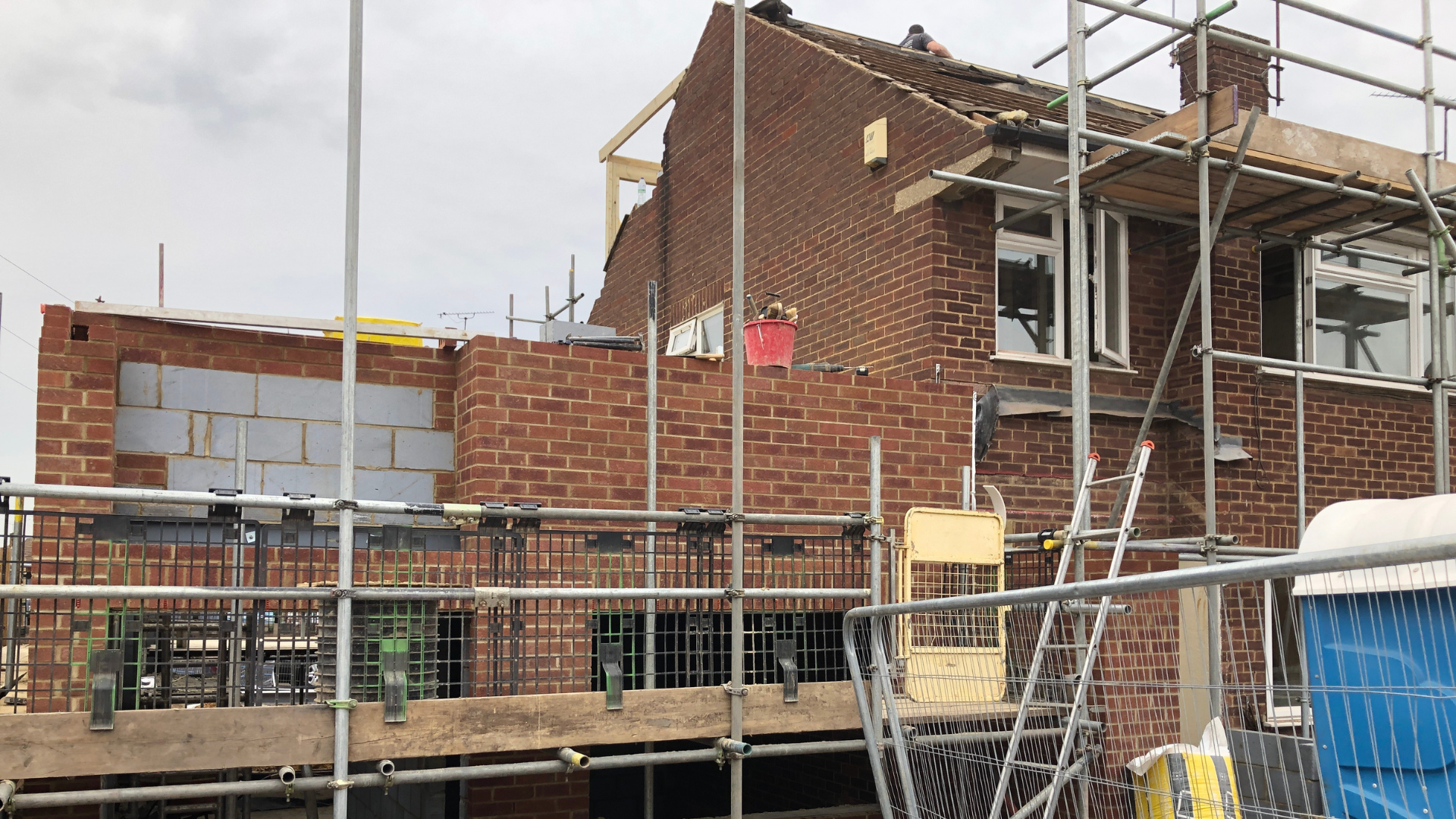
The UK property market is currently undergoing a significant environmental transformation. This shift is driven by the government’s ambitious Net Zero targets. Consequently, the private rental sector is facing a new wave of rigorous energy standards. Landlords across the country are now looking toward 2026 with a mixture of urgency and concern. Specifically, the requirement for rental properties to achieve a minimum Energy Performance Certificate (EPC) rating of “C” is a major hurdle. While the legislation has seen various iterations and debates, the trend toward “Green” housing is undeniable. Therefore, investors must prepare their portfolios now to avoid future obsolescence.
However, upgrading an ageing property portfolio is not a simple task. It requires significant capital investment and technical expertise. Many landlords find that their liquid cash is tied up in other assets. Furthermore, traditional buy-to-let lenders are becoming increasingly wary of properties with poor energy ratings. In many cases, a property with an EPC rating of “E” or “F” is now considered unmortgageable by high-street banks. This creates a funding gap that could leave many landlords stranded. Fortunately, bridging loans have emerged as the essential tool for navigating this transition.
Understanding the Legislative Landscape
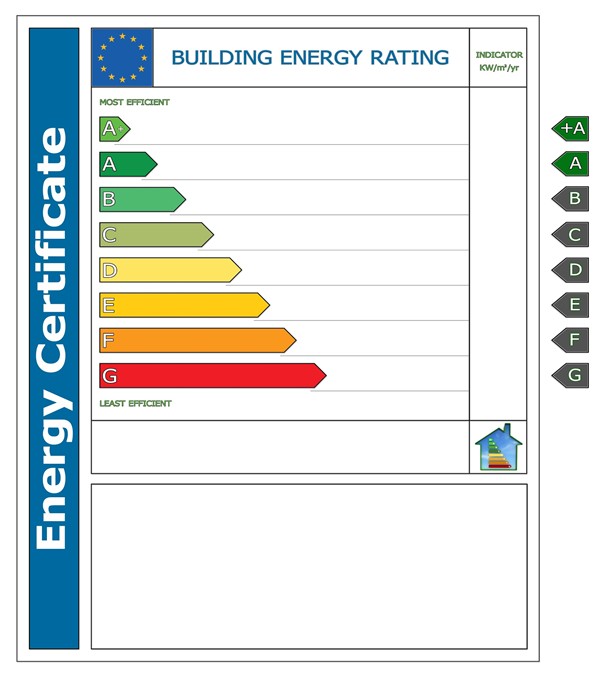
The drive for energy efficiency is not a new concept in the UK. Nevertheless, the intensity of the current requirements is unprecedented. The proposed 2026 deadline for new tenancies to meet the “C” rating is fast approaching. Moreover, this requirement is expected to extend to all existing tenancies by 2028. This means that thousands of properties currently on the market will soon be legally unrentable without upgrades. As a result, the value of “un-green” properties is likely to diminish significantly. This phenomenon is often referred to as “brown discounting.”
In contrast, properties that already meet or exceed these standards are seeing a “green premium.” Tenants are increasingly looking for energy-efficient homes to combat rising utility costs. Additionally, institutional investors are prioritising ESG (Environmental, Social, and Governance) criteria. Therefore, upgrading a property is not just about legal compliance. It is also a strategic move to protect and enhance the long-term value of an investment. Ultimately, the cost of inaction is far higher than the cost of renovation.
The Problem with Traditional Finance
Most landlords rely on standard buy-to-let mortgages to manage their properties. However, these products are designed for “oven-ready” assets that are already generating income. They are not suited for properties that require significant remedial work. If a property requires new windows, external wall insulation, or a heat pump installation, it may be deemed “uninhabitable” during the works. Consequently, a traditional lender will often refuse to provide funds until the work is complete.
This creates a “catch-22” situation for many investors. They need the funds to renovate, but they cannot get the funds because the property needs renovation. Furthermore, the application process for a standard mortgage is often too slow for the fast-paced world of property development. In a competitive market, landlords need access to capital quickly to secure contractors and materials. Therefore, the rigidity of high-street banking is a major obstacle to the “Green” revolution.
Why Bridging Loans are the Solution
Bridging finance is specifically designed to solve these types of short-term funding challenges. Unlike a mortgage, a bridging loan is focused on the value of the asset and the viability of the exit strategy. Specifically, specialist lenders look at the “Gross Development Value” (GDV) of the property after the upgrades are finished. This allows landlords to borrow the funds needed for both the purchase and the refurbishment.
Moreover, bridging loans are famous for their speed. In many cases, funds can be released within a matter of days. This agility is vital for landlords who need to meet strict deadlines. For instance, if a tenant is moving out and there is a three-week window to perform upgrades, bridging finance provides the necessary liquidity. Additionally, the flexible nature of these loans means that interest can often be “rolled up.” This means the landlord does not have to make monthly payments during the renovation period. Instead, the interest is paid at the end when the loan is cleared.
Light vs. Heavy Refurbishment
When discussing EPC upgrades, it is important to distinguish between “light” and “heavy” refurbishment. Light refurbishment typically involves non-structural changes. This might include installing a more efficient boiler, upgrading to LED lighting, or adding loft insulation. These works are relatively quick and cost-effective. However, they might not be enough to move a property from an “E” to a “C” rating.
In contrast, heavy refurbishment involves more significant structural alterations. Specifically, this might include internal or external wall insulation, replacing all windows with triple glazing, or installing solar panels. These projects require more time and a larger capital outlay. Fortunately, specialist bridging lenders offer products tailored to both scenarios. By choosing the right type of finance, landlords can ensure they have the exact amount of capital required for their specific project.
Creating a Clear Exit Strategy
Every successful bridging loan requires a robust exit strategy. This is the plan for how the loan will be repaid at the end of the term. For landlords performing EPC upgrades, the exit strategy is usually very clear. Once the property reaches the required “C” rating, it becomes eligible for a standard buy-to-let mortgage. In fact, many lenders now offer “Green Mortgages” with discounted interest rates for energy-efficient properties.
Furthermore, the refurbishment often increases the overall value of the property. This means the landlord can refinance at a lower Loan-to-Value (LTV) ratio. Consequently, the new mortgage is often cheaper and more sustainable than the previous one. Alternatively, the landlord may choose to sell the property. A high EPC rating makes the property much more attractive to buyers, ensuring a faster sale and a better price. Ultimately, the bridging loan acts as a temporary catalyst that unlocks long-term financial benefits.
The Role of the Specialist Broker
Navigating the world of specialist lending can be complex. There are dozens of lenders, each with their own specific criteria and appetite for risk. Therefore, the role of a specialist broker is more important than ever. A broker can help a landlord identify the most cost-effective funding route for their EPC upgrades. Specifically, they can “package” the deal in a way that highlights the strengths of the project to potential lenders.
Additionally, brokers have access to “broker-only” rates that are not available to the general public. They understand the nuances of manual underwriting and can explain a complex case to a lender. For instance, if a property has a unique construction type, a broker will know which lender is best equipped to handle it. Furthermore, they can manage the entire process from application to completion, allowing the landlord to focus on the renovation itself.
Future-Proofing for a Changing World
The 2026 EPC standards are likely just the beginning of a longer journey toward sustainability. As the UK moves closer to its 2050 Net Zero goal, energy standards will only become stricter. Landlords who act now are not just complying with the law; they are future-proofing their investments. By performing comprehensive upgrades today, they reduce the risk of further disruption in the future.
Moreover, energy-efficient homes are simply better homes. They are warmer, quieter, and cheaper to run. This leads to higher tenant satisfaction and lower turnover rates. In a market where competition for high-quality tenants is fierce, a “Green” property stands out. Consequently, the investment in energy efficiency pays dividends in both capital growth and rental yield.
Conclusion: Taking the First Step
The road to EPC compliance does not have to be a source of stress. With the right financial strategy, it can be an opportunity for growth and portfolio enhancement. Bridging loans provide the speed, flexibility, and capital required to turn an energy-inefficient property into a modern, sustainable asset. By moving away from the limitations of the high street, landlords can take control of their future.
Do you have a property that needs a “Green” upgrade before 2027?
At Grey Matters Specialist Lending, we specialise in helping brokers and landlords find the perfect funding solutions for complex refurbishments. Our team has the expertise to navigate the shifting sands of EPC legislation and secure the capital you need.
Run your scenario by us today and discover how we can bridge the gap to a more sustainable future.