
Commercial-to-Residential Conversions: The Funding Stack Brokers Need to Understand
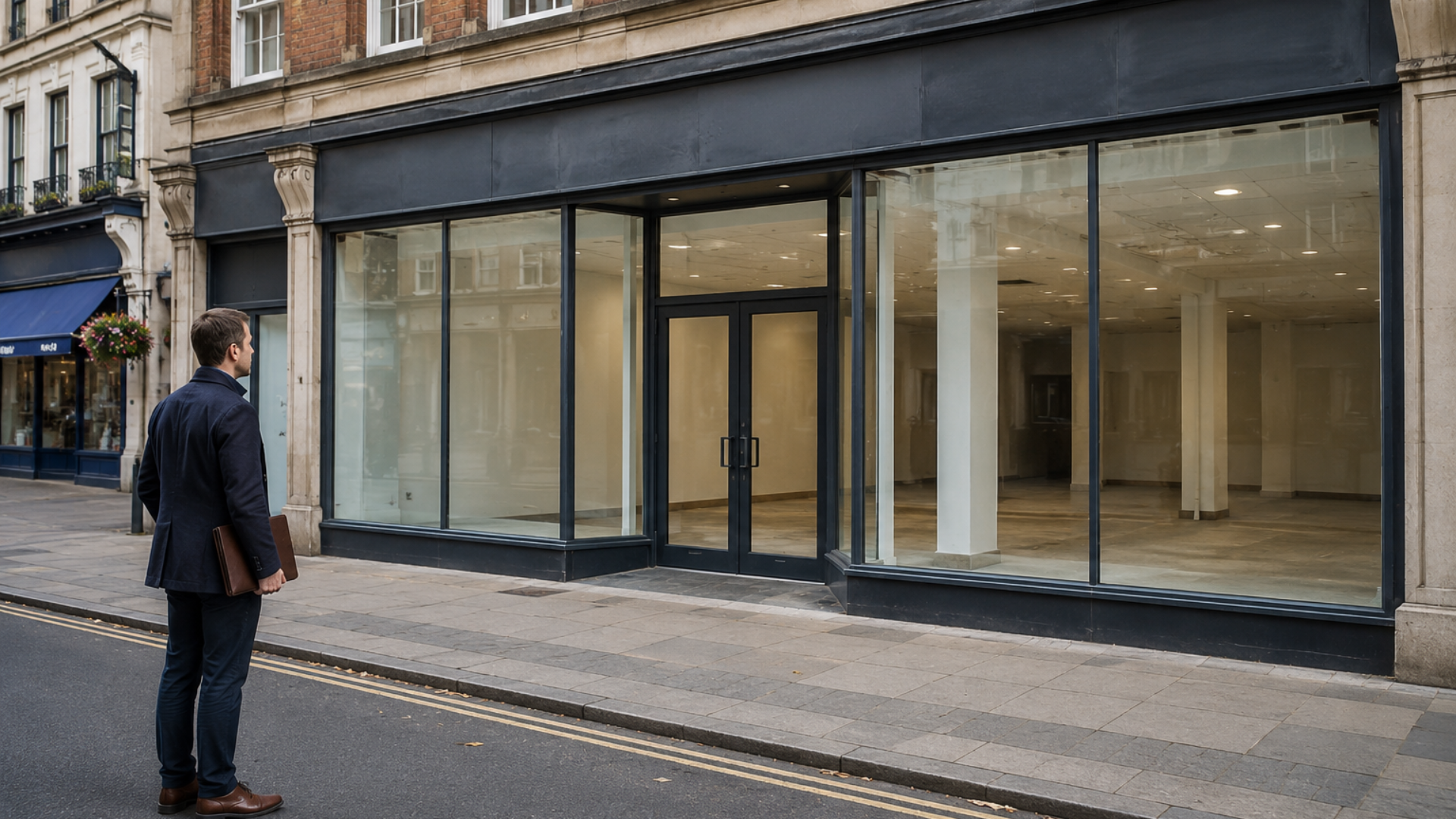
High streets across the UK are full of buildings doing nothing. Tired offices above empty shopfronts, vacant retail units, underused light industrial space, all sitting idle while housing demand keeps climbing. Thanks to Permitted Development Rights, commercial-to-residential conversions have become one of the most active strategies in UK property investment right now, letting developers turn dead commercial space into flats and HMOs without the months of delay that full planning permission usually involves. For brokers, this isn’t just a planning story. It’s a funding story, and increasingly, it’s the deal that separates brokers who can structure a full project from those who can only place a single product.
At GMSL, we’re seeing a steady rise in enquiries from brokers whose clients have spotted an underused office or retail unit and want to know how to fund the whole journey, not just the purchase. That’s the real opportunity here. Commercial-to-residential conversions rarely call for one type of finance. They call for a stack: bridging to acquire, refurbishment funding to convert, and a clear exit, either sale or remortgage onto a buy-to-let product. Brokers who understand how those pieces fit together win repeat business from developers who’d otherwise have to juggle three separate lender relationships themselves.
Why This Strategy Has Taken Off
The legal mechanism behind most of these projects is Class MA permitted development, which replaced the older Class O office-to-residential right in August 2021. Class MA is significantly broader than its predecessor: rather than covering offices alone, it allows conversion from a wide range of Class E commercial uses, including shops, restaurants, gyms, and light industrial premises, into C3 residential dwellings without the need for full planning permission, subject to prior approval from the local planning authority.
The appeal for investors is obvious. A full planning application can take months and carries no guarantee of approval. Prior approval under Class MA is a faster, narrower process, the council checks specific factors such as flooding risk, noise, and natural light rather than reassessing the whole scheme from scratch. That speed, combined with property values continuing to outpace what many commercial landlords can earn from struggling retail or office tenants, is why commercial-to-residential conversions have moved from a niche strategy to a mainstream part of many developers’ pipelines.
There are real constraints worth flagging to clients early. The building generally needs to have been vacant or in qualifying commercial use for a set period before conversion, there’s a floorspace cap per unit, minimum space standards apply, and local authorities can remove the right entirely in a given area through an Article 4 Direction. None of this kills the strategy, but it does mean due diligence on the planning position has to happen before finance is structured, not after.
The Funding Stack: Three Stages, Three Different Needs
This is where brokers earn their value. A conversion project isn’t one lending decision, it’s three, and each stage has a different risk profile and a different ideal lender.
Stage One: Acquisition
Most commercial-to-residential opportunities are bought with bridging finance. The seller wants speed, the building may be unmortgageable in its current commercial form, and the buyer needs to move before the opportunity disappears. A bridging lender assessing an acquisition like this isn’t looking at the client’s payslips, they’re looking at the property’s value, the strength of the planning position, and the clarity of the exit. This is exactly the territory where GMSL’s Bridging Loans and Commercial Finance services come into play, and where having a lender who understands Class MA specifically, rather than treating it as a generic commercial purchase, makes underwriting faster and terms sharper.
Stage Two: The Conversion Itself
Once the property is secured, the work begins, and this is where development finance or a refurbishment-focused bridge typically takes over. Light conversions that don’t change the building’s footprint can often be funded as a refurbishment bridge, with funds released in stages as work progresses. Heavier schemes, ones involving structural alterations, extensions, or significant internal reconfiguration, usually need staged development finance, drawn down against build costs and the projected end value. Getting this distinction right matters: treating a heavy structural conversion as a light refurbishment is one of the most common ways brokers see projects run out of money halfway through.
Stage Three: The Exit
The final piece is what happens once the units are habitable. For a developer planning to hold and let, this typically means refinancing onto a buy-to-let mortgage, or in the case of multiple self-contained lettings within one building, an HMO mortgage. For a developer planning to sell, the exit is simply the sale itself, but the lender funding stages one and two will still want to see that sale strategy evidenced credibly from the outset.
This is precisely why brokers who can speak fluently across Bridging, Development Finance, and HMO Lending add so much more value than those placing a single product. The client doesn’t want three separate broker relationships and three separate sets of paperwork, they want one advisor who can see the whole project and make sure each stage of finance is lined up to hand off cleanly to the next.
What Makes Commercial-to-Residential Conversion Cases Different for Lenders
Lenders assessing commercial-to-residential conversions are weighing up a few specific things that don’t come up in a standard residential purchase or refinance.
Planning risk. Has prior approval already been granted, or is the client buying subject to it? A deal with prior approval secured is a fundamentally different risk to one where the client is speculating that it will be granted. Lenders price, and sometimes decline, accordingly.
Article 4 exposure. Some local authorities have withdrawn permitted development rights across specific areas precisely because of concerns about the quality of housing being delivered this way. A broker who checks for an Article 4 Direction before submitting a case to a lender saves everyone a wasted week.
Build quality and liveability. Reforms since 2020 introduced natural light requirements and national space standards for homes created through permitted development, and further amendments to Class MA took effect in March 2024. Lenders are increasingly alert to whether a converted unit will actually be lettable and mortgageable once finished, not just legally permissible.
The post-conversion mortgage market. A unit that looks great on paper can still struggle to find a buy-to-let or HMO lender at exit if it doesn’t meet minimum room sizes, fire safety standards, or licensing requirements. This is why thinking about the exit lender’s criteria during stage one, not stage three, prevents nasty surprises.
How GMSL Supports Brokers Through the Whole Project
As a whole-of-market master brokerage with over 40 years of combined experience in specialist lending, GMSL doesn’t just place one stage of a commercial-to-residential conversion and walk away. We work with brokers to structure the entire funding journey, sourcing bridging finance for the acquisition, arranging the right refurbishment or development product for the works, and lining up the eventual buy-to-let or HMO exit before the project even completes. That continuity matters: a lender who’s seen the deal from day one, and understands the planning position and build programme, moves faster at every subsequent stage than one starting from scratch.
We also maintain relationships with lenders who specifically understand Class MA and permitted development risk, rather than treating every commercial purchase the same way. That distinction shows up directly in how quickly terms are issued and how realistic the lending criteria are for the property in question.
The Bottom Line
Commercial-to-residential conversions are no longer a fringe strategy, they’re a core part of how investors are responding to underused high streets and a stretched housing market. But the projects that succeed are the ones where finance is structured as a complete journey, not a single transaction. For brokers, understanding the full stack, acquisition, conversion, and exit, is what turns a one-off bridging enquiry into a long-term client relationship across multiple funding stages.
If you’ve got a client eyeing a vacant office, retail unit, or commercial building for conversion, talk to us before the purchase, not after. Structuring the whole project from the outset is what makes the difference between a smooth conversion and one that stalls halfway through.